
Two prescriptions filled on the same day under the same plan can cost very different amounts. The reason is usually the plan's drug list and the tier each drug sits on. This explainer covers how plans list and price covered drugs, the rules that can apply before a drug is paid for, and what it means when a drug is not on the list.
It draws on the HealthCare.gov glossary and its page on what Marketplace plans cover, and on Medicare.gov's page on what Medicare drug plans cover. Medicare drug coverage (Part D) is a separate programme from job-based and Marketplace plans; it is used here because Medicare.gov explains tiers clearly, and many other plans use a similar structure. Your own plan's drug list is the document that decides.
The formulary
A formulary is the list of prescription drugs a plan covers. It is also called a drug list. Prescription drugs are one of the essential health benefits, so Marketplace plans and other plans that follow the Affordable Care Act's rules cover them, but each plan decides which specific drugs are on its list.
Formularies are published by the plan, and they change. A plan can add or remove drugs, or move a drug to a different tier, subject to the rules that apply to that type of plan. A drug that was covered last year at one price may be covered this year at another, or not covered.
Tiers: cost levels on the list
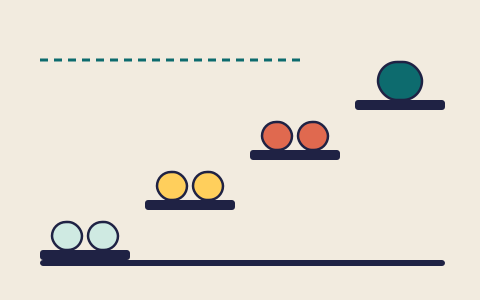
Many plans group the drugs on their formulary into levels called tiers. Each tier has its own cost sharing. In general, a drug on a lower tier costs you less than a drug on a higher tier. The cost sharing for a tier might be a fixed copay or a percentage coinsurance, and it may apply before or after a deductible depending on the plan.
There is no single national tier system. Plans decide how many tiers to use, what to call them and which drugs go on each one. Some plans also mark certain drugs as "preferred" within a tier, or have lower prices at certain pharmacies.
A typical tier structure
Medicare.gov gives an example of how a drug plan's tiers might be arranged. The pattern below follows that example; a particular plan's tiers may be different.
| Tier | Usually contains | Relative cost to you |
|---|---|---|
| Tier 1 | Most generic drugs | Lowest |
| Tier 2 | Preferred brand-name drugs | Medium |
| Tier 3 | Non-preferred brand-name drugs | Higher |
| Specialty tier | Very high cost drugs | Highest |
On a Summary of Benefits and Coverage, the drug rows in the medical events table usually list the cost for each tier the plan uses. The SBC explainer shows where.
Generic and brand-name drugs
A generic drug is a prescription drug that has the same active ingredient as a brand-name drug and is approved as equivalent to it. Generic drugs usually cost less, which is why plans tend to place them on the lowest tier.
A brand-name drug may be "preferred" or "non-preferred" on a plan's list. That label is about the plan's pricing, not about whether the drug works better or worse. Whether a different drug would be suitable for you is a medical question for your prescriber or pharmacist, not something a drug list or this site can answer.
Rules attached to some drugs
Being on the formulary does not always mean a drug is paid for straight away. Medicare.gov describes three common coverage rules, and plans outside Medicare use similar ones:
- Prior authorization. The plan must approve the drug before it will cover it. HealthCare.gov's glossary calls this preauthorization and notes that approval is not a promise the plan will pay.
- Step therapy. The plan asks that a different, usually lower-cost, drug be tried first for the same condition before it covers the one prescribed.
- Quantity limits. The plan covers only a set amount of the drug over a period of time.
The formulary usually marks drugs that carry these rules. If a rule applies, the prescriber normally starts the approval or exception request with the plan.
Drugs and the deductible
Plans handle prescription costs and the deductible in different ways. In some plans, drug copays apply from the first fill. In others, you pay the full allowed price for drugs until a deductible is met. Some plans have a separate deductible just for drugs. The important questions table at the top of the SBC says whether there are other deductibles for specific services, and the drug rows show how each tier is charged.
For plans that follow the Affordable Care Act's rules, cost sharing for covered prescription drugs is part of the essential health benefits and counts toward the out-of-pocket maximum. The out-of-pocket explainer covers what else does and does not count.
An illustrative prescription
Illustrative example: made-up numbers, not a real plan or drug
Imagine a plan with four drug tiers: a $10 copay for Tier 1, a $40 copay for Tier 2, 30 percent coinsurance for Tier 3 and 40 percent for the specialty tier, all applying from the first fill. A person needs a monthly prescription.
- If the drug is on Tier 1, a month costs $10, or $120 over twelve months.
- If it is on Tier 2, a month costs $40, or $480 a year.
- If it is on Tier 3 with an allowed price of $300 a month, a month costs $90, or $1,080 a year.
The figures are invented for illustration and describe no real plan or medicine. Which drug is appropriate is a decision for the person and their prescriber, not a matter of price alone.
When a drug is not covered
If a drug you have been prescribed is not on your plan's formulary, or is on a tier that costs more than you expected, there are recognised routes to ask about it. Plans have an exception process: you or your prescriber can ask the plan to cover a drug that is not on its list, or, in some plans, to charge a lower tier's cost sharing. Medicare.gov describes this process for Medicare drug plans, and other plans have their own versions.
If the plan says no, you can generally appeal: ask the plan to review its decision to deny a benefit or payment. The plan's documents explain how and by when. A prescriber or pharmacist can also tell you whether there is an alternative on the plan's list, which is a medical judgement this site does not make.
That is the last explainer. Back to all explainers